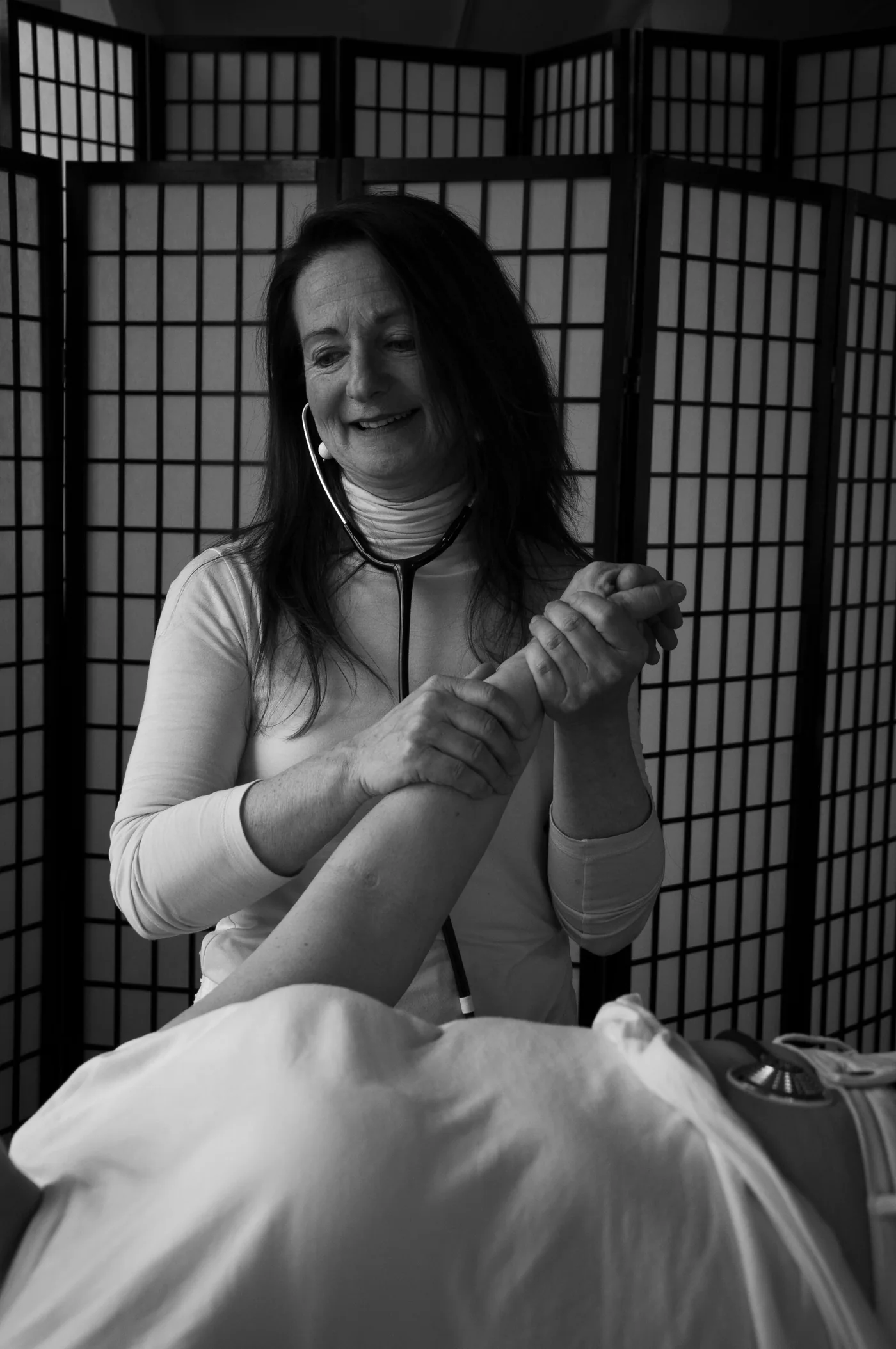
What Is Biodynamic Massage?
Biodynamic massage is a specialist form of massage often used within biodynamic body psychotherapy. It is a much-loved range of therapeutic and relaxing specialised methods that are effective in the treatment and relief of many physical, nervous, and psychological conditions.
This approach is based on a foundational truth: our minds and bodies work as one, and cannot be separated.
The Origin of Biodynamic Massage
In the 1960s, Gerda Boyesen (1922–2005), a Norwegian psychologist, physiotherapist, and the founder of biodynamic psychology and psychotherapy, discovered this deep mind-body connection.
While massaging her patients, she noticed a link between the gurgling sounds emitted by the intestines and her patients' sensations of relaxation, relief, and marked physical improvement.
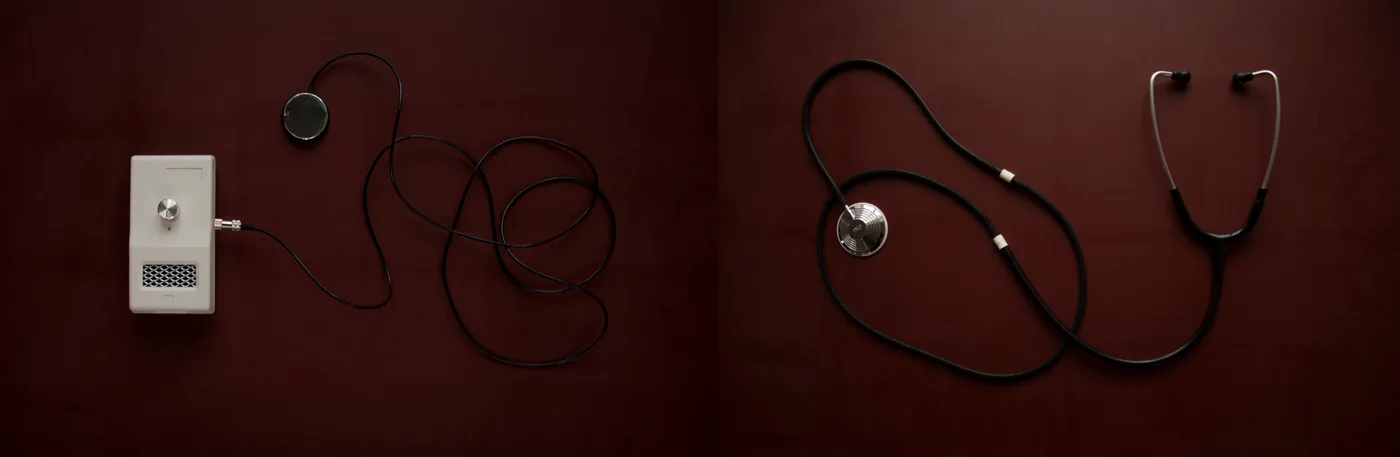
Intrigued, she used a stethoscope placed on the stomach and discovered a second function of the intestines: psychoperistalsis. This is the body’s natural ability to digest and eliminate emotional stress, helping to integrate conflictual or painful situations.
How It Works
Biodynamic massage is highly adaptable and can be applied at multiple levels of the body, including:
- Bone
- Muscle
- Skin
- Cells
- Tissue
In addition to traditional talking therapy, sessions may include body-focused verbal and non-verbal work, such as biodynamic massage, to support the body’s natural self-regulation.
Who Is It For?
Biodynamic massage and body-oriented psychotherapy can support individuals experiencing a wide range of physical and emotional challenges, including:
Emotional and Psychological Support
- Times of emotional stress and anxiety
- Feeling easily overwhelmed by life and its challenges
- Feeling tired, depressed, or cut off from one's aliveness
- Experiencing relationship difficulties or suffering from the effects of bereavement
Physical and Chronic Conditions
- Symptoms of imbalance in the body’s natural self-regulation, such as:
- Digestive disruption
- Migraines
- Insomnia
- Musculoskeletal pains
- Circulatory problems
- Chronic illnesses, such as IBS or fibromyalgia
Continued Self-Discovery
- Those who have already experienced verbal psychotherapy and wish to continue their journey of self-discovery and aliveness through a body-centered approach
Get in Touch
If you feel drawn to this gentle, body-centered approach to healing and self-regulation, please get in touch.